
Thinking of Your Kitchen as a System
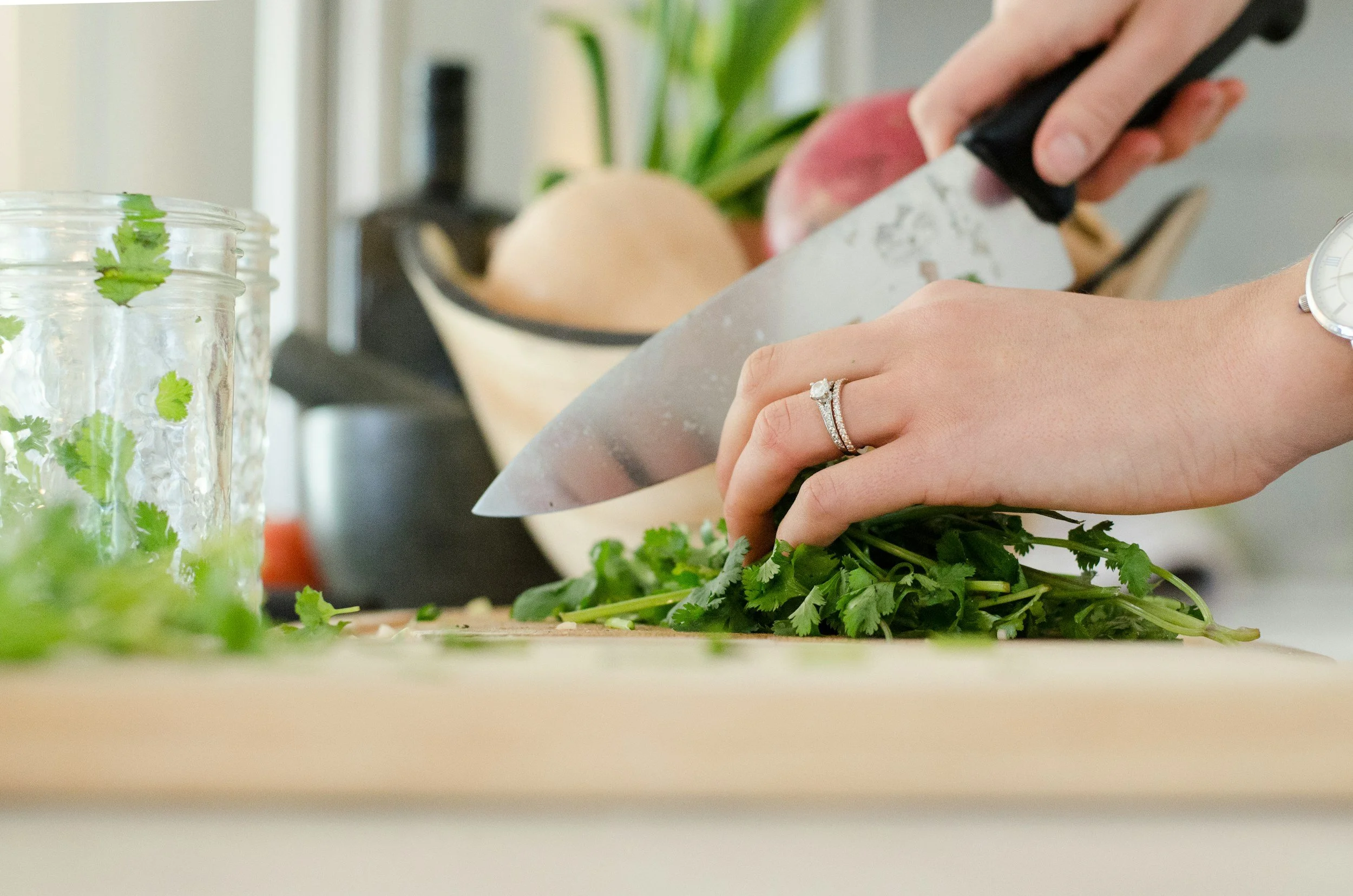
By the time dinner comes around, the question usually isn’t what you should eat.
It’s what you can put together without overthinking it. Some nights, that happens easily. You open the fridge, pull a few things out, and dinner comes together without much effort.
Other nights, you stand there a little longer than you expect to. There’s food in the house, but nothing that quite lines up. Nothing that turns a bunch of food into a meal without more thought than you want to give.
That’s the part people don’t talk about enough. Not the big decisions. It’s how much effort it can take to make dinner come together. And over time, you start to notice a pattern.
Some nights feel straightforward. You open the fridge, pull a few things out, and dinner takes shape without much friction. Other nights, it’s less clear. You’re still making it work, still piecing things together, but it takes more effort than you want to give at that point.
Sometimes it’s not even that there’s nothing there. It’s that everything needs something else. One more step, one more decision, one more thing you don’t feel like figuring out. That’s normal. There’s nothing wrong with you or those nights. But the difference between the two isn’t about whether you’re thinking or planning. It’s about when that thinking happens, and how much of it is already decided before you get there.
That doesn’t mean every meal is planned in advance, or that everything is mapped out for the week. Most of the time, it isn’t. It means certain decisions have already been made in a quieter way. What you tend to keep on hand, what you know how to use, and what you can rely on without thinking too much.
When those decisions are made earlier, or built into what you keep in your kitchen, dinner doesn’t rely on figuring everything out in the moment. You still adjust. You still think. You still make it your own. But you’re not walking into the kitchen with an open question every night.
That shift is subtle, but it changes how the whole process feels. Dinner no longer feels like something you have to figure out each night. It becomes something you move through, even when your energy is low.
The Power of Intentional Stocking
And that’s where what you keep in your kitchen starts to matter. Not in a broad, aspirational sense, but in a very practical one. What I keep in my kitchen isn’t based on variety for the sake of it, or on what sounds good in theory. It’s based on what consistently makes dinner easier to pull together.
Foods that work in more than one way, don’t require much setup, and my family will eat without hesitation. Not because they’re perfect. Because they’re useful.
Useful Proteins and Staples
If you opened my freezer, yes, my freezer, more on that another time, you would almost always find multiple proteins that I know I can use without much thought. Chicken breast, usually. Ground turkey or ground chicken. Sometimes, extra lean ground beef. And often, a flank steak. Eggs are always in my fridge, too.
Not because I’m trying to keep things interesting. Because these are the ones that don’t slow me down. I know how they cook. I know what they pair with, and I don’t have to think too much about what to do with them when the day has already taken enough out of me.
The vegetables are a mix of intention and backup. There are always fresh options in the fridge. These are things I actually like and tend to reach for without forcing it. Broccoli, cauliflower, peppers, cucumbers, salad greens. Asparagus and green beans come up often.
But there’s also a second layer that matters just as much. Frozen vegetables that I don’t have to think twice about using. They are not a last resort. They are simply there when the fresh options are gone, or when I don’t feel like working around what needs to be used first. It keeps dinner from staling.
The Unsung Heroes of a Meal
Somewhere in the background, there’s always something to build the meal around. Rice, potatoes, pasta, tortillas. Not the focus of the meal, but the part that makes everything else feel more complete. They give structure to what would otherwise feel like a few things on a plate.
And then there’s the part that’s easy to overlook, but ends up doing more than people expect. The things that bring everything together. Parmesan cheese, garlic, onions, lemon, and a few condiments that I use regularly without thinking about it. Nothing excessive. Just enough that whatever I make doesn’t feel like an afterthought.
None of this is especially complicated. That’s part of the point. I’m still deciding what to make. I’m still adjusting. Some nights are easier than others. But when these things are in place, I’m not working against what I have. I’m working with it.
Over time, that’s what makes the difference. Not having everything. Just having enough of the things that work so dinner doesn’t feel harder than it needs to be.
Work Together
If you’re seeking clarity around weight, GLP-1 treatment, or midlife transitions, let’s connect.
